Ceviche, a Peruvian dish made primarily of fresh raw fish marinated in citrus juices can be linked to ancient civilizations in Peru, where indigenous peoples would prepare fish using local fruits and spices.
When the Spanish colonizers arrived in the 16th century, they introduced new ingredients such as citrus fruits and onions, revolutionizing the original methods of preparation. The blend of native practices with European influences created what is recognizable today as ceviche.
By the 19th century, ceviche was widely consumed in various Latin American countries, evolving into several regional variations.
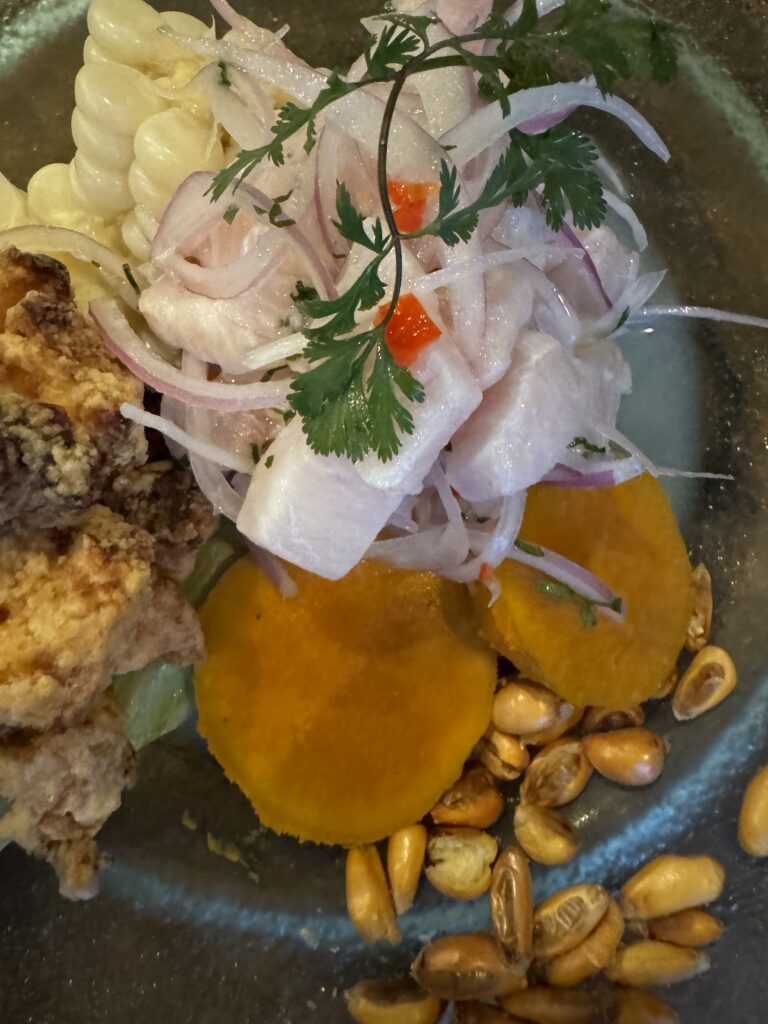
Peruvian ceviche is often considered the classic version, it features a mix of fresh fish, lime juice, onions, and occasionally aji peppers.
Mexican ceviche typically includes tomatoes, avocado, and sometimes shrimp or other seafood, reflecting local flavors.
Ecuadorian ceviche is unique for using tomato sauce and accompanying it with popcorn or fried plantains.
Ceviche in Nikkei Cuisine
The significant influx of Japanese immigrants to Peru began in the late 19th and early 20th centuries. They brought with them their culinary traditions, including raw fish dishes such as sashimi.
Interaction between Japanese and Peruvian cultures facilitated a fusion of ingredients and culinary practices. The indigenous Peruvian love for seafood met the Japanese approach to fresh fish preparation.
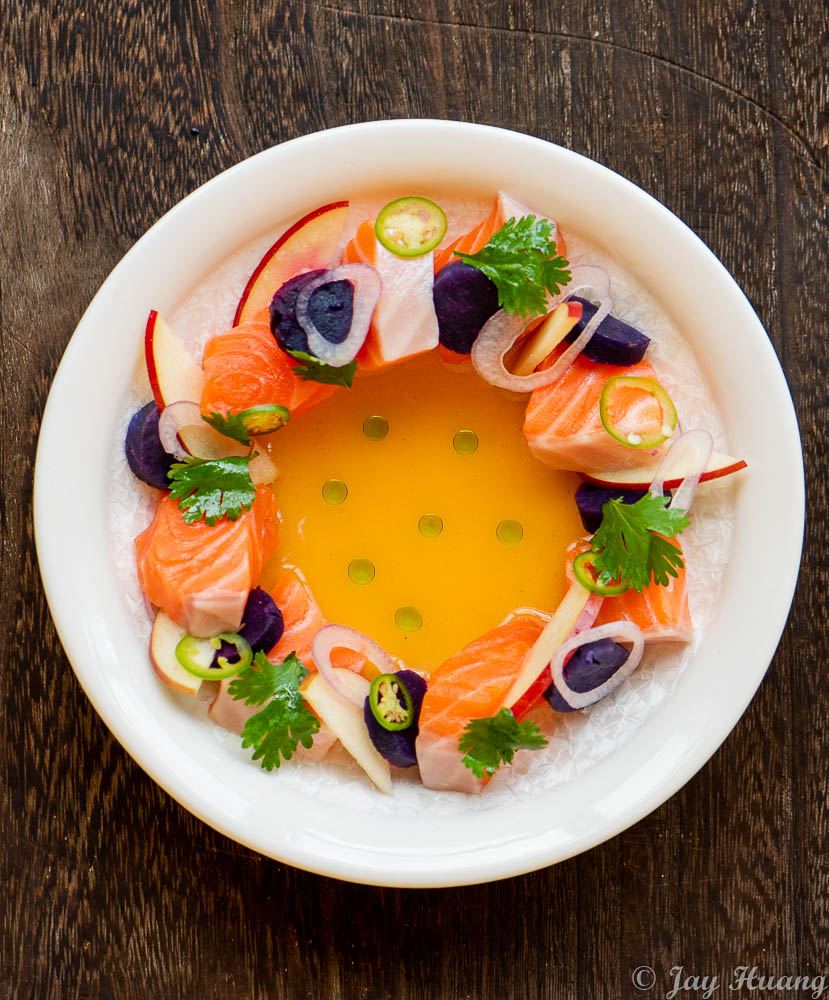
Nikkei ceviche often features ingredients like soy sauce, wasabi, and various Japanese seasonings such as ponzu (citrus soy sauce). These additions offer a unique umami flavor, elevating the traditional dish.
Classic ceviche at Isolina in Lima, Peru